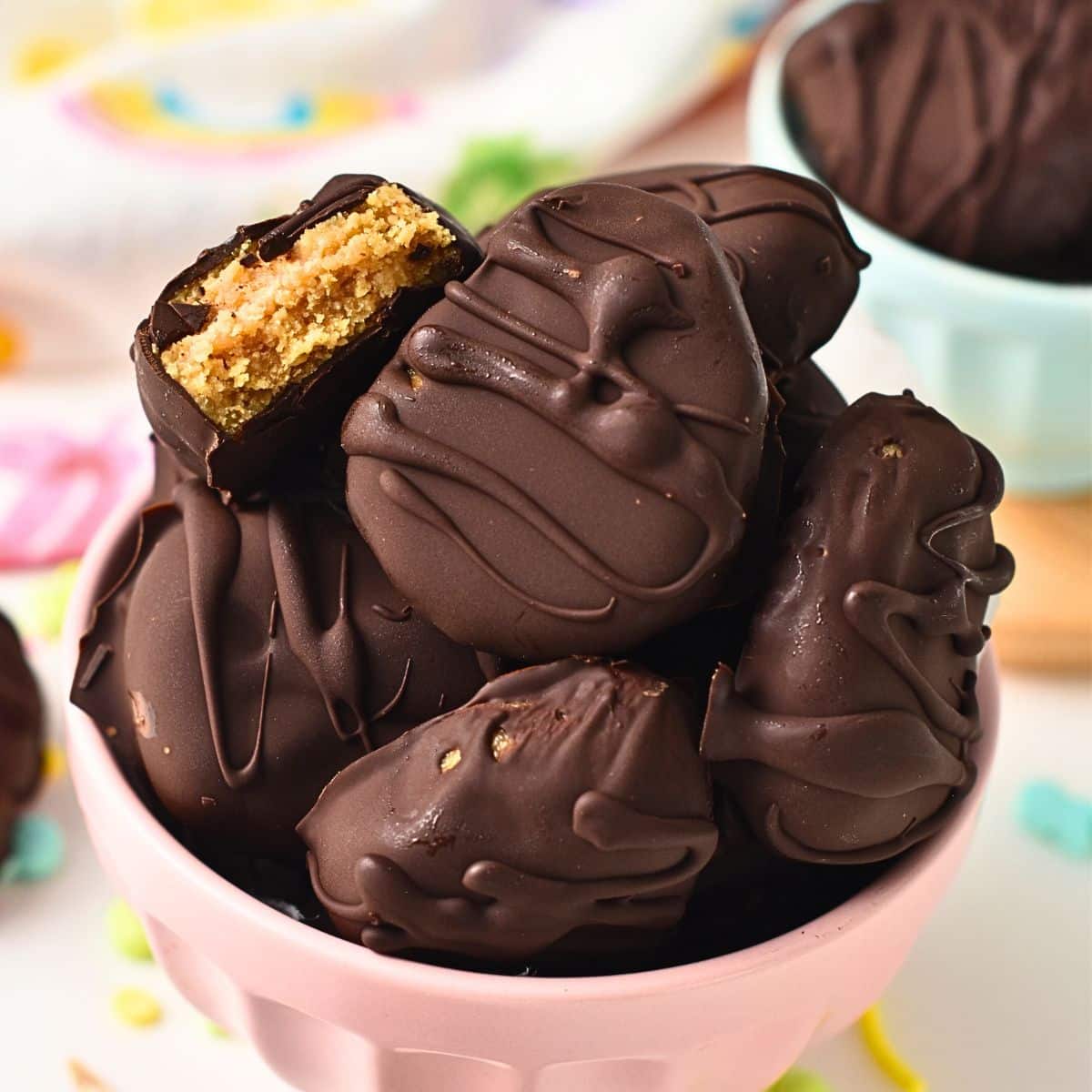
Beyond Refined Sugar: Wholesome Peanut Butter Egg Swaps for a Guilt-Free Treat
The allure of peanut butter eggs is undeniable. That iconic combination of creamy, salty-sweet peanut butter enveloped in rich chocolate evokes nostalgia and pure indulgence, especially around holidays like Easter. However, the commercial versions many of us grew up with often come packed with refined sugars, unhealthy fats, and a laundry list of unpronounceable preservatives. For those aiming for a more mindful approach to their treats, the question arises: can we truly enjoy this beloved classic without the guilt? The answer is a resounding yes! By making a few smart ingredient swaps, you can craft truly
healthier peanut butter eggs that are just as satisfying, if not more so, than their store-bought counterparts.
Why Ditch the Traditional? Understanding the Benefits of Homemade Wholesome Swaps
Before diving into the delicious details, it’s worth understanding why opting for homemade, healthier versions is such a game-changer. It’s not just about cutting calories; it’s about nutritional integrity and overall well-being.
The Pitfalls of Processed Treats
Traditional peanut butter eggs are often laden with high-fructose corn syrup, hydrogenated oils, and artificial flavors. These ingredients contribute to spikes in blood sugar, inflammation, and provide little to no nutritional value. While delicious in the moment, they can lead to energy crashes, cravings, and don't support a healthy lifestyle. The texture, while smooth, can sometimes feel a bit "waxy" due to the specific fats and stabilizers used to achieve shelf stability.
The Power of Homemade Control
When you make your own
healthier peanut butter eggs, you regain complete control over every single ingredient. This means:
- No Unnecessary Additives: Say goodbye to artificial flavors, colors, and preservatives.
- Reduced Refined Sugar: You decide how much and what kind of sweetener goes in.
- Healthier Fats: Swapping unhealthy fats for beneficial ones can support heart health and satiety.
- Nutrient Boost: Incorporating ingredients like chia seeds, cashews, and dark chocolate adds fiber, healthy fats, and antioxidants.
- Customization: Tailor the sweetness, texture, and flavor profile to your exact preferences and dietary needs.
The slight textural difference in homemade versions – often a more natural, less waxy mouthfeel – is a testament to their real, wholesome ingredients, and many find it far more appealing.
Crafting the Perfect Healthier Peanut Butter Eggs: Key Ingredient Swaps
The secret to transforming this classic treat lies in intelligent ingredient substitutions. Each swap contributes to a more nutritious, yet equally delicious, outcome.
The Peanut Butter Foundation: Natural is Key
The cornerstone of any peanut butter egg is, of course, peanut butter. However, not all peanut butter is created equal.
- The Swap: Ditch the processed peanut butter that often contains added sugars, hydrogenated oils, and emulsifiers. Instead, opt for natural peanut butter.
- The Benefit: Natural peanut butter typically lists only one or two ingredients: peanuts, and sometimes a touch of salt. It provides healthy monounsaturated and polyunsaturated fats, essential protein, and fiber, helping to keep you full and satisfied for longer. This foundation alone makes a huge difference in the nutritional profile of your healthier peanut butter eggs. Always check the label to ensure no hidden sugars or unnecessary oils.
Sweetening Naturally: Beyond Granulated Sugar
Refined sugar is often the biggest culprit in traditional treats. Here’s how to sweeten smart.
- The Swap: Replace white granulated sugar or corn syrup with natural sweeteners like honey, maple syrup, or even a modest amount of powdered erythritol or monk fruit blend for a sugar-free option.
- The Benefit: Honey and maple syrup, while still sugars, are less processed and offer trace minerals and antioxidants that refined sugar lacks. They also have a lower glycemic index, leading to a more gradual rise in blood sugar. For those managing carb intake or blood sugar levels strictly, powdered natural sweeteners provide sweetness without the sugar content, ensuring your healthier peanut butter eggs fit your dietary goals.
The Binding Agents and Boosters: Adding Texture and Nutrition
To achieve that wonderfully creamy yet firm filling, we can leverage ingredients that add both structure and nutritional value.
- Creamy Base: The addition of cream cheese or soaked cashews provides an incredibly smooth, rich texture and a boost of protein and healthy fats. Cashews, when blended, create a luscious, dairy-free creaminess.
- Fiber & Structure: Instead of relying solely on sugar for structure, incorporating almond flour is a brilliant move. It's an excellent low-carb, gluten-free option that adds a delicate texture and helps bind the filling without making it heavy. Plus, almond flour is high in fiber and healthy fats. For an extra fiber and omega-3 boost, a tablespoon or two of chia seeds can be added; they also help absorb moisture and bind the mixture.
- Flavor Enhancers: Don't forget a splash of pure vanilla extract to round out the flavors beautifully.
The Irresistible Chocolate Coating: Dark and Delicious
The chocolate shell is crucial to the experience. Make it count!
- The Swap: Move away from overly sweet milk chocolate or candy melts. Instead, choose dark chocolate with a high cacao content (70% or more).
- The Benefit: Dark chocolate is a powerhouse of antioxidants, contains less sugar than milk chocolate, and offers a deeper, more intense chocolate flavor. Brands like Hu dark chocolate chips are fantastic options, often made with minimal, clean ingredients and no refined sugar. To achieve that smooth, glossy finish for dipping without relying on unhealthy fats or chemicals, melt your dark chocolate with a tiny bit of coconut oil. Coconut oil adds a healthy fat, makes the chocolate easier to work with, and gives the coating a satisfying snap once cooled.
Beyond the Basics: Tips for Your Best Batch of Healthier Peanut Butter Eggs
Creating your own
healthier peanut butter eggs is a rewarding experience. Here are some practical tips to ensure your batch is perfect every time:
- Texture Control: The consistency of your peanut butter filling is key. If the mixture is too sticky to handle, add a bit more almond flour. If it's too dry, a tiny drizzle of maple syrup, honey, or even a splash of unsweetened almond milk can help. Remember, a slightly "natural" texture is part of the charm of these wholesome treats, unlike the uniform, waxy feel of processed candies.
- Shaping Success: For perfectly shaped eggs, chill your peanut butter mixture for at least 30 minutes before shaping. This makes it much easier to roll into uniform egg shapes. You can also use small egg-shaped molds if you prefer extra precision.
- Dipping Mastery: Melt your chocolate gently, either in a double boiler or microwave, stirring frequently. Once melted and smooth with the coconut oil, let it cool slightly (but not solidify) before dipping. This prevents the chocolate from melting your peanut butter centers too much. Use a fork or a dipping tool to immerse each egg, tapping off excess chocolate before placing it on parchment paper to set.
- Setting & Storage: For the quickest set, place the dipped eggs in the refrigerator or freezer. Once hardened, store your healthier peanut butter eggs in an airtight container in the fridge for up to a week, or freeze them for longer storage (up to a month). They are delightful straight from the freezer too!
- Flavor Variations: Don't be afraid to experiment! Add a pinch of sea salt to the peanut butter filling for an enhanced sweet and salty contrast. A dash of cinnamon or a tiny bit of almond extract can also add interesting flavor notes. For extra crunch, sprinkle some chopped nuts or a touch of coarse sea salt on top of the wet chocolate coating before it sets.
- Kid-Friendly Fun: Involving children in the making of these treats can be a wonderful activity. They’ll love shaping the eggs and, like one proud parent shared, even a 4-year-old can declare you "the best baker ever!" when they taste the delicious results. For more ideas on how to craft these delightful treats, check out our guide on Guilt-Free Indulgence: Crafting Healthier Peanut Butter Eggs.
Conclusion: Indulge Smarter, Not Harder
Embracing the world of homemade
healthier peanut butter eggs is about more than just a recipe; it's about a philosophy of mindful indulgence. It proves that you don't have to sacrifice your health goals to enjoy life's sweet pleasures. By choosing natural peanut butter, wholesome sweeteners, nutritious binders, and antioxidant-rich dark chocolate, you transform a classic treat into a nourishing delight. Whether for Easter celebrations, a satisfying snack, or simply whenever a craving for chocolate and peanut butter strikes, these homemade versions offer all the flavor without the guilt. Ready to start making your own? For another take on these delightful treats, explore our recipe for
Homemade Reese's Eggs: Wholesome & Easy (No Preservatives). Go ahead, treat yourself to something truly sweet and wholesome!